
How Long Does It Really Take to Learn Conversational Chinese?
How Long Does It Really Take to Learn Conversational Chinese?

As Chinese becomes more widely used around the world, chances are you’ll run into Chinese-speaking people more often; when you are traveling, hosting a business meeting, or even in daily conversations with friends. And when English isn’t an option, strong Mandarin speaking skills suddenly matter a lot more. If you’ve ever wondered how long it takes to learn conversational Chinese or the fastest way to speak basic Chinese with confidence, you’re not alone. Let’s break it down in this article.
YOU MIGHT ALSO LIKE: Mandarin for Professionals: Differences Between Business and Casual Mandarin You Should Know
How Long Does It Take to Understand Conversational Chinese

You might’ve heard that learning Mandarin takes thousands of hours. Expert studies estimate up to 2,200 hours for full fluency. But here’s the good news: you don’t need that long just to hold everyday conversations. If you’re consistently learning Mandarin, this fluency can be achieved in 2-4 years depending on your learning method. This number, however, can be shorter or longer depending on several factors such as the following.
Prior Knowledge and Goal
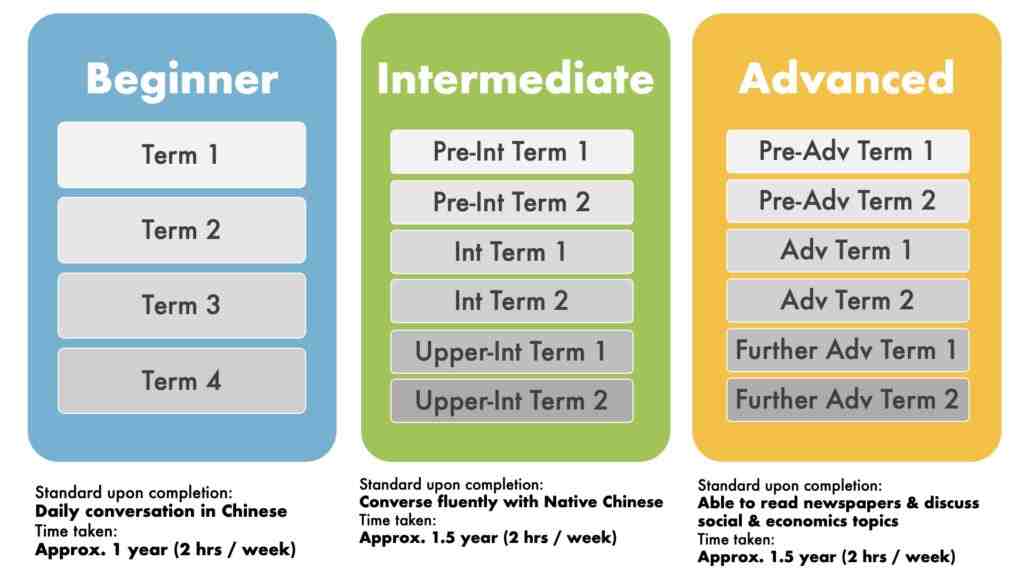
This aspect is the most important thing that determines how fast can someone learn Mandarin. People with no prior knowledge in this language may struggle to progress at the very beginning since they need to understand the foundation of Chinese. To many English speakers, understanding the basics of Mandarin can take some time and may lead to a longer duration of learning journey. Furthermore, your goal will greatly affect your learning duration. If your goal is simply to understand simple Chinese conversation, it may take approximately 1 year to learn. However, if your goal is as far as having conversation with native Chinese speakers, you may invest around 2.5-3 years to achieve fluency.
Daily Exposure
Exposure to Chinese language is another determining factor of your learning duration. If you’re often exposed to conversational Chinese, you might pick up a few words along the way that help you with understanding this language quicker. For example, people who interact with Chinese media a lot may find it easier to understand Mandarin pronunciation and tones as the building blocks of this language.
Study Schedule
Your study schedule can be another factor that leads to your Chinese learning duration. People who can commit more time in learning conversational Chinese may progress quicker than those who are working with a tight schedule. Despite this, it’s important to remember that a long study period may not be the best way to learn Mandarin effectively. Rather than forcing yourself to learn more than you can absorb, it’s advised to find the most effective method and build learning habits consistently.
YOU MIGHT ALSO LIKE: Learning Business Chinese as a Busy Professional: Realistic Weekly Study Plans
English Speakers Challenge in Learning Conversational Chinese

For non-native speakers, Chinese may seem like a foreign language. This applies similarly to English speakers who find it challenging to learn Chinese as a second language. Generally, these are the common reasons why English speakers struggle with learning conversational Chinese.
Pronunciation Difference
For many English speakers, Chinese pronunciation may seem tricky at first glance. Even though Chinese has Pinyin that non-native speakers can refer to, the different way of pronouncing some syllables may confuse beginners. For example, sounds like zh, sh, and ü don’t exist in English. As a result, English speakers may struggle to pronounce these syllables accurately.
No Learning Partners
The key to successfully learning conversational Chinese is to have real-life practice that can help you build confidence. However, many English speakers find this as another challenge due to the lack of native speakers or learning partners in their area. Without the existence of learning partners, English learners tend to rely on passive learning methods such as reading a textbook. This habit may produce unnatural speech that may lead to self consciousness among English speakers who want to learn conversational Chinese.
Cultural Understanding
Chinese conversation with native speakers is deeply influenced by cultural context and relationship. English speakers with limited knowledge of Chinese culture may find it difficult to understand how to adjust their tones and expressions depending on the social situations they encounter. Without proper cultural understanding, English speakers may sound overly direct or rude when interacting with native Chinese speakers.
How to Learn Conversational Chinese Fast as an Adult

Even if you’re starting from zero and juggling work at the same time, learning conversational Chinese is still very achievable. . Learning conversational Chinese as an adult may seem intimidating at first, especially if you’re occupied with a busy schedule. However, learning conversational Chinese as an adult is not impossible if you’re using the most effective approach. To learn conversational Chinese faster, here are several practical tips that can help you succeed.
YOU MIGHT ALSO LIKE: How to Learn Business Mandarin Effectively as a Busy Professional
Practice Conversation Daily
As a busy adult, consistency is often the key to success when learning conversational Chinese. Rather than forcing yourself on a long study session, try to dedicate 10-20 minutes per day to practice your skills in learning Chinese. This small yet regular exposure to conversational Chinese can help you build more confidence in speaking.
Immerse in Chinese Media
With the wide access of the internet nowadays, you can find Chinese media almost everywhere. Whether you’re watching the newest Chinese drama or listening to your favorite artists’ song, you can be constantly exposed to real Chinese pronunciation in daily interactions. Many adult learners see faster progress when they focus on listening and speaking first, instead of memorising characters too early. This method can help you absorb Chinese words more naturally and understand how native speakers sound when conversing. Furthermore, you can also take another step further by trying to imitate conversational Chinese as closely as possible.
Connect with Experienced Tutor
When learning by yourself feels intimating or challenging, finding an experienced tutor may be the best alternative to help you improve your speaking skills. Experienced Chinese tutors can provide you with positive feedback meant to help you sound more natural and confident while speaking. More importantly, this interaction with certified tutors can also serve as a natural interaction and simulate real-life conversation,